

How Nail Salons Took Over the Beauty Industry in the 20th Century | Nail Salon History for Beginners
I still remember the first time I nervously walked into a professional **nail salon**—wide-eyed, fascinated by the buzzing tools, rows of colorful polishes, and the quiet confidence of the nail techs at work. Back then, I had no idea I’d one day own a small salon myself. But what really surprised me as I got deeper into this industry was learning how nail salons didn’t always dominate beauty culture the way they do now.
In fact, it wasn’t until the 20th century that nail salons truly exploded onto the scene, transforming from exclusive luxuries to everyday essentials for millions of people. In this article, I’ll share how nail salons rose to power, shaped modern beauty, and what that history means for new nail techs or salon owners like you and me.
My Unexpected Love Affair with the Nail Salon World
If you had told me five years ago that I’d be running my own little nail salon, I would’ve laughed — hard. Back then, I could barely paint my own nails without smudging them within five minutes. Fast forward to today, my small salon is my happy place, and my calendar is filled with regulars coming for everything from basic manicures to full-on acrylic transformations.
But here’s the thing most of us forget: nail salons weren’t always part of everyday life. They weren’t always on every street corner like they are now. Our beloved nail salons actually have a rich, dramatic history, especially in the 20th century — when they went from hush-hush side businesses to a booming global beauty empire.
As a salon owner, understanding that history not only inspires me but helps me stay proud of what we do every day. So let me take you on this journey, sharing how nail salons took over the beauty industry — and how you and I fit into that story.

Introduction: Why Nail Salons Matter More Than Ever
Today, nail salons are as common as coffee shops. But rewind to the early 1900s? Getting your nails done professionally was reserved for Hollywood stars, wealthy socialites, or the ultra-elite.
In this post, I want to:
- Share how nail salons rose to fame
- Walk through the key trends that shaped the industry
- Reflect on how this history influences small salon owners like us today
Whether you’re just starting your nail tech journey, dreaming of your own space, or curious about the roots of your favorite profession — this article is for you.
How It All Began: The Rise of Nail Salons in the 20th Century
1920s – The Birth of the Modern Manicure
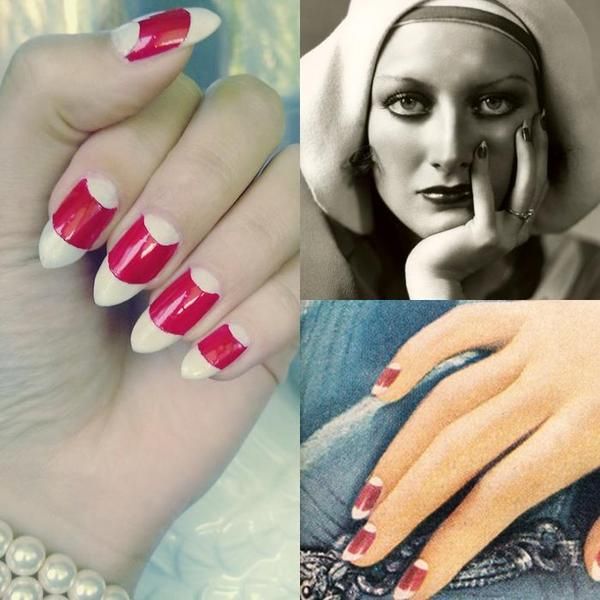
The roaring twenties weren’t just about flapper dresses and jazz — they marked the first big nail revolution. Women began painting their nails at home with rudimentary polishes, but salons offering manicures were rare and luxurious.
Famous salons in Paris and New York introduced elegant hand treatments for wealthy clients. Meanwhile, early nail polishes were inspired by car paint (fun fact: Revlon’s first nail polish formulas were based on automotive paint technology!).
As a small salon owner, I love thinking about how even then, nails were a status symbol — a form of self-expression.

1930s – Hollywood Glamorizes the Nail Salon
The Great Depression hit, but Hollywood kept the glam alive. Stars like Jean Harlow and Rita Hayworth made the nail salon experience desirable. Red nails became iconic, symbolizing sophistication and rebellion all at once.
Salons specializing in manicures popped up in urban areas, especially around movie theaters and fashion districts. Despite economic hardship, women sought affordable luxuries — and nails became their accessible indulgence.

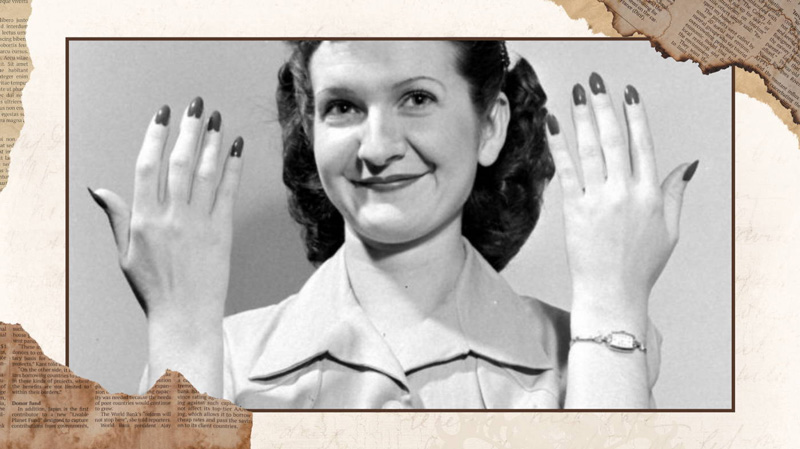
1950s – The Suburban Salon Boom
Post-war America brought a surge in suburban living, and with it, neighborhood nail salons emerged. Beauty salons offering hair, nails, and makeup became community staples.
Acrylic nails made their quiet debut, though they wouldn’t explode in popularity for a few more decades. Nail salons started catering to working women and housewives alike, blending practicality with beauty.
1970s–1980s – Nail Salons Go Global
The 1970s changed the game. Vietnamese immigrants, fleeing war, arrived in the U.S., bringing exceptional nail skills that reshaped the industry. By the 1980s, Vietnamese-owned salons dominated the market, offering fast, affordable, high-quality services.
My own salon traces its roots to this legacy. One of my mentors — an incredible Vietnamese nail tech — taught me precision filing techniques that still wow my clients today.
This era also introduced:
- Acrylic nails as a mainstream service
- Nail art’s first big boom
- The professionalization of nail salons as viable, respected businesses
1990s–2000s – The Nail Art Explosion
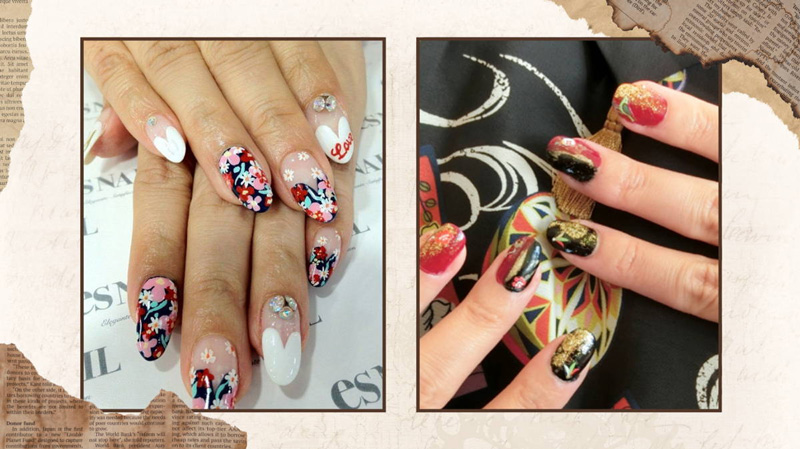
If you lived through the 90s, you know the craze — French tips, rhinestones, airbrushed designs everywhere! Nail salons became creative hubs, evolving into mini art studios.
Gel polish entered the scene, followed by UV lamps, making long-lasting, chip-resistant nails more accessible than ever.
As a small salon owner, this is where I feel the roots of today’s trends. Our clients now expect custom art, flawless finishes, and Instagram-worthy designs — and salons like mine exist to deliver just that.

Running a Modern Nail Salon: What’s Included
When I opened my salon, I quickly learned it’s more than filing and painting. A proper nail salon includes:
- Sanitation stations (autoclaves, UV sterilizers)
- Quality gel, acrylic, and dip powder systems
- Comfortable client seating & ergonomic tech stations
- Exhaust fans for dust and fumes
- Booking systems for smooth scheduling
- Retail products (cuticle oils, polish, aftercare)
It might seem overwhelming, but investing in these essentials keeps your salon safe, professional, and welcoming — even for beginners like I once was.
My Experience Growing a Small Nail Salon
I’ll be honest — opening my own nail salon was scary. I worried about competition, client retention, and whether I could handle it all. But focusing on history helped me stay grounded.
Remembering how salons survived wars, recessions, and fashion trends reminded me: this industry is resilient.

A few lessons I’ve learned:
- Clients value hygiene and comfort as much as nail skills
- Personal touches — like remembering their favorite color — build loyalty
- Social media showcases your work and attracts dream clients
- Never stop learning — new techniques keep your salon fresh
Pros & Cons of Running a Nail Salon
| Pros | Cons |
| Creative freedom to express your nail style | Startup costs can add up quickly |
| Strong community connections | Long hours, especially as a solo tech |
| Growing demand for self-care services | Requires ongoing sanitation & regulation knowledge |
| Opportunity to build your personal brand | High competition in urban areas |
| Flexibility to scale services (nails, brows, etc.) | Must constantly stay updated with trends |
Who Nail Salons Are Best For (and Who They Aren’t)
Perfect for:
- Creative individuals passionate about beauty
- People who love connecting with clients
- Detail-oriented techs who enjoy learning new trends
Not ideal for:
- Those who dislike working with hands-on services
- Entrepreneurs unwilling to meet strict hygiene standards
- Individuals who prefer solo, non-client-facing work
Budget-Friendly Alternatives for Small Salon Setups
If you’re starting out with limited funds:
- Offer mobile nail services before renting a salon
- Partner with existing hair salons to sublet space
- Focus on basic manicures/polish before adding extensions
- Source quality second-hand equipment — just inspect thoroughly
Every successful salon starts small. Mine began as a cozy two-seat space, and now? We’re booked weeks in advance.
Final Verdict: Nail Salons Are Here to Stay
The journey of the nail salon is one of transformation — from ancient beauty rituals to the high-tech, stylish hubs we love today. As a small salon owner, I’m proud to be part of that evolution.
If you’re dreaming of opening your own nail space, know this: you’re continuing a legacy over a century in the making. With passion, care, and a bit of history-inspired flair, your salon can thrive too.
Related Blog Posts to Explore
- The History of the Nails Industry: From Ancient Rituals to a Global Empire
- Nail Art in Ancient Cultures: From Egypt to the Ming Dynasty
Thinking about starting your own nail salon? Already own one and want to share your journey? Drop a comment below or message me — let’s support each other in this amazing, colorful industry.


